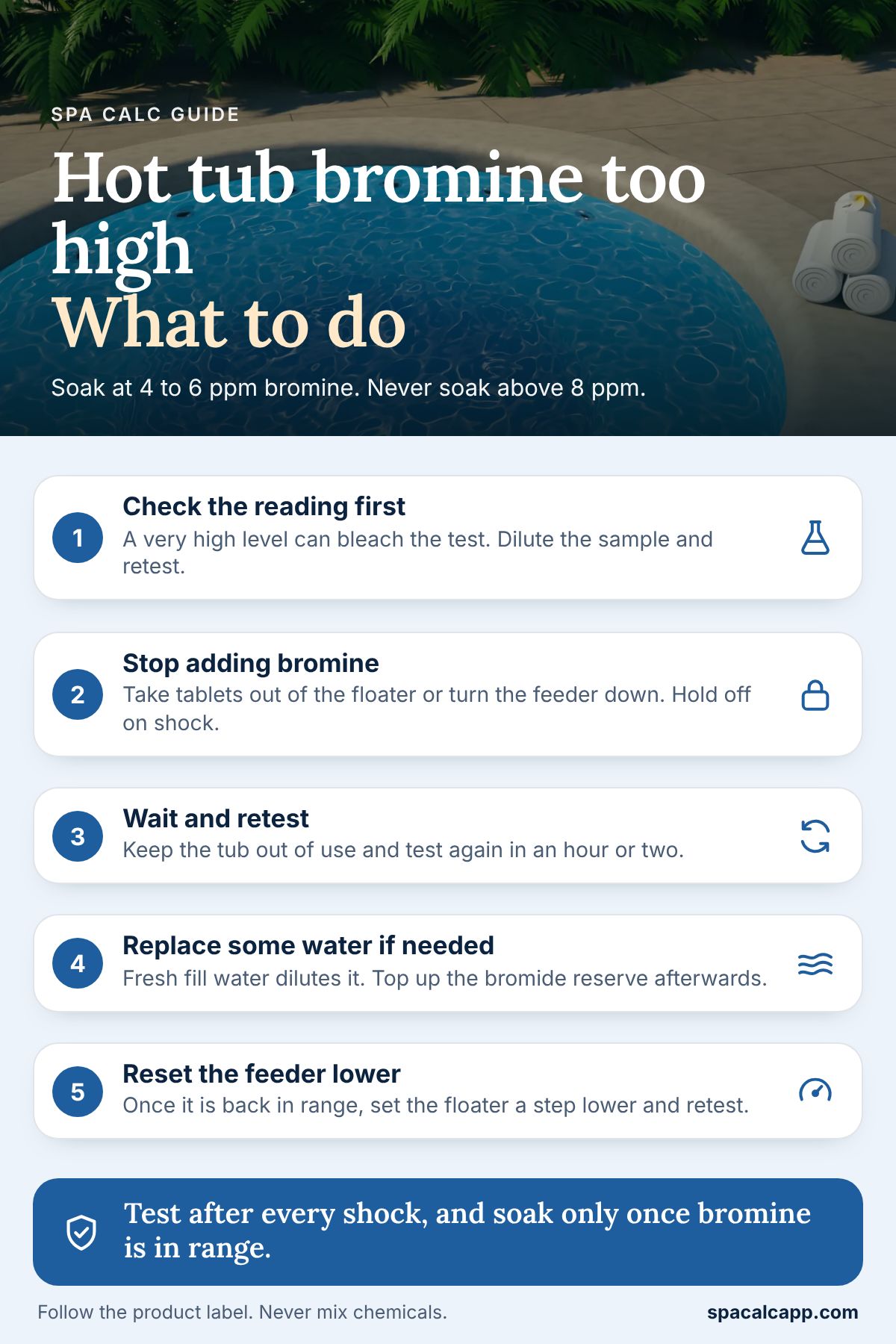
The quick answer: if your hot tub bromine is too high, don't get in yet. Soak at 4 to 6 ppm; above 6 ppm, wait and retest, and never soak above 8 ppm. To bring it down, stop adding bromine (take tablets out of the floater or turn the feeder down) and retest in an hour or two. If you need it lower sooner, replace some of the water with fresh fill water. A high reading right after a shock is normal in a bromine tub, so test before you treat.
The ready-to-soak checker below compares your readings with those limits: soak, wait, or fix first.
Ready to soak?
Wait 5 min
Give it at least 15 minutes with the jets running and the cover open, then retest.
- Soak range for free chlorine: 3 ppm to 5 ppm (and at least 7.5% of your CYA), with pH 7.2 to 7.8. Below pH 7.0 or above 7.8 it is not safe. Hot tub limits based on CDC guidance and EPA product labels; your product label comes first.
Save this test and get a reminder before your next soak.
Want this every time you test?
Spa Calc remembers your hot tub and tells you if it’s ready to soak, and what to add, every time you test.
Spa Calc for iPhone
How high is "too high" for bromine?
We use hot tub limits based on CDC guidance:
| Bromine (ppm) | What it means |
|---|---|
| Below 4 | Too low. Add bromine before soaking. |
| 4 to 6 | Ready, if pH is in range. |
| Above 6 up to 8 | Too high to soak. Wait and retest. |
| Above 8 | Never get in. Lower it first. |
Where these come from:
- CDC recommends bromine at 4 to 8 ppm in hot tubs, and says to talk to the operator or owner if the reading is above 8 ppm. CDC's Legionella toolkit uses the same 4 to 8 ppm as the control limit.
- The Pool & Hot Tub Alliance (PHTA) guidelines, published by Taylor Technologies, give 4 to 6 ppm total bromine as the ideal range. That's why we treat 6 ppm as the top of the soak range.
CDC also recommends pH 7.0 to 7.8 in hot tubs, so test pH at the same time.
Check the reading first
A surprising number is worth a second test before you change anything:
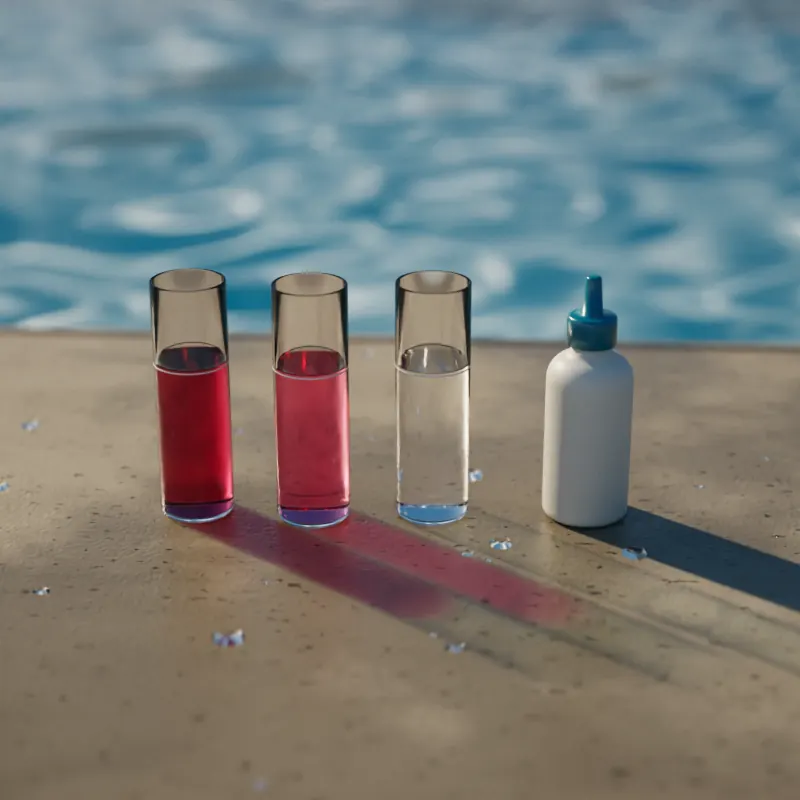
- Very high can read low. Taylor Technologies notes that sanitizer levels above 10 ppm can bleach a DPD sample, partly or fully, and give a false low reading. Dilute the sample 1:1 with water that has no sanitizer, test again and multiply the result by 2.
- Chlorine units. DPD reacts with bromine the same way it does with chlorine. If your kit reads in chlorine units, Taylor says to multiply by 2.25 to get bromine. The bromine and chlorine converter does it for you.
- Strips vs drops. CDC notes that test strips are less accurate than a DPD test kit. Confirm a strip that shows "very high" with a drop test.
Why hot tub bromine gets too high
- A shock. In a bromine tub, shock (non-chlorine MPS or chlorine) turns stored bromide back into bromine. On a fresh reserve in 400 gallons, a full label dose of 45% MPS, 3 oz (85 g), reads about 27 ppm, far above the 8 ppm maximum. That's why you test after every shock.
- A fresh fill. Starting a tub with a full shock on the new bromide reserve does the same thing. The start-up only needs a small oxidizer dose: 0.57 oz (16 g) of 45% MPS brings a 400 gallon tub to about 5 ppm. Hot tub start up chemicals has the steps.
- A floater or feeder set too high. It keeps adding bromine on days the tub isn't used. How many bromine tablets for a hot tub covers the label rates.
- A dose sized for a bigger tub. Small tubs move fast. Check your volume with how many gallons in a hot tub, using the maker's figure for your model.
How to lower hot tub bromine
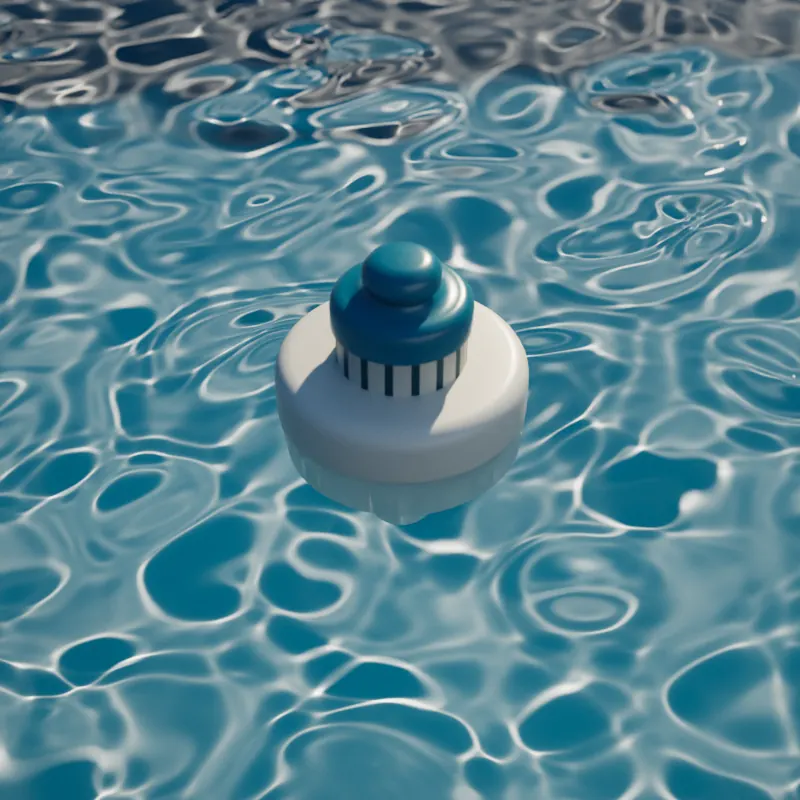
Step 1: Stop adding bromine. Take the tablets out of the floater, or turn the feeder or brominator down. Don't add shock for now.
Step 2: Wait and retest. Without new bromine going in, the level drops over time. Leave the tub out of use, retest in an hour or two, and again before anyone gets in. After a full shock on a fresh reserve it can take longer, so give it time rather than adding anything else. Log each reading in Spa Calc for iPhone so you can see how fast it's falling.
Step 3: Replace some water if you need it lower sooner. Draining part of the tub and topping up with fresh fill water dilutes the bromine. Remember that fresh water also dilutes the bromide reserve, so you may need to top that up afterwards, as your sodium bromide label says. It's a good choice when the tub is due for a drain anyway; see how often to drain a hot tub.
A note on reducers: chlorine reducer products (sodium thiosulfate) are sold for chlorine. If you use one in a bromine tub, use only a product whose label covers bromine, and follow that label.
Step 4: Reset the feeder lower. Once bromine is back to 4 to 6 ppm, put tablets back and set the floater or feeder a step lower than before. Retest the next day and adjust.
When can you get back in?
Soak when free chlorine is 3 to 5 ppm and at least 7.5% of your CYA (bromine 4 to 6) and pH is 7.2 to 7.8, at least 15 minutes after adding anything (20 after pH decreaser); after chlorine, bromine or a shock, test again first. Above 5 ppm chlorine or 6 ppm bromine, wait and retest in an hour or two; never soak above 10 ppm chlorine or 8 ppm bromine, or with pH below 7.0 or above 7.8. Below 3 ppm chlorine (4 bromine), add sanitizer first; at pH 7.0 to 7.2, raise pH first; with CYA above 40 ppm, drain and refill. Hot tub limits based on CDC guidance and EPA product labels.
For questions about symptoms or your health, ask your doctor.
Common mistakes
- Getting in to "use up" the bromine. Lower it first, then soak.
- Shocking a fresh fill with a full dose. Size the first oxidizer dose for the start-up, not a full shock.
- Trusting a reading of zero right after a shock. It may be bleached out. Dilute and retest.
- Reading a chlorine scale as bromine. Multiply by 2.25, or use a bromine kit.
- Forgetting what went in. Spa Calc keeps every reading and dose in one log, so you can see whether the spike came from a shock, the floater or a doubled dose.
Track it in Spa Calc
Spa Calc sizes every bromine, bromide and shock dose for your tub's real volume, and its "ready to soak" card shows green, amber or red from your last test, with a countdown while you wait after a dose. Download Spa Calc for iPhone and log your next test.
One hot tub? Every feature, free. No account, no ads, and iCloud backup is included.
Sources
- CDC: What You Can Do to Stay Healthy in Hot Tubs: bromine 4–8 ppm; talk to the operator or owner above 8 ppm; pH 7.0–7.8.
- CDC: Controlling Legionella in Hot Tubs: bromine 4–8 ppm as a control limit.
- CDC: Home Pool and Hot Tub Water Treatment and Testing: test strips are less accurate than DPD test kits; follow the test maker's directions.
- Taylor Technologies: Technical FAQs: sanitizer above 10 ppm can bleach a DPD sample, dilute 1:1 and multiply by 2; bromine = chlorine reading × 2.25; PHTA guidelines, total bromine ideal 4–6 ppm.
- Every dose and level on this page comes from the same chemistry engine as Spa Calc.
Safety
- Keep chemicals out of reach of children and pets, and keep them out of the water until it is back in range.
- Never mix chemicals. Never add acid and chlorine together: mixing them releases toxic chlorine gas.
- Add chemicals to water, never water to chemicals.
- Store chemicals sealed, cool and dry, apart from each other.
- Read and follow the product label. It always comes first.