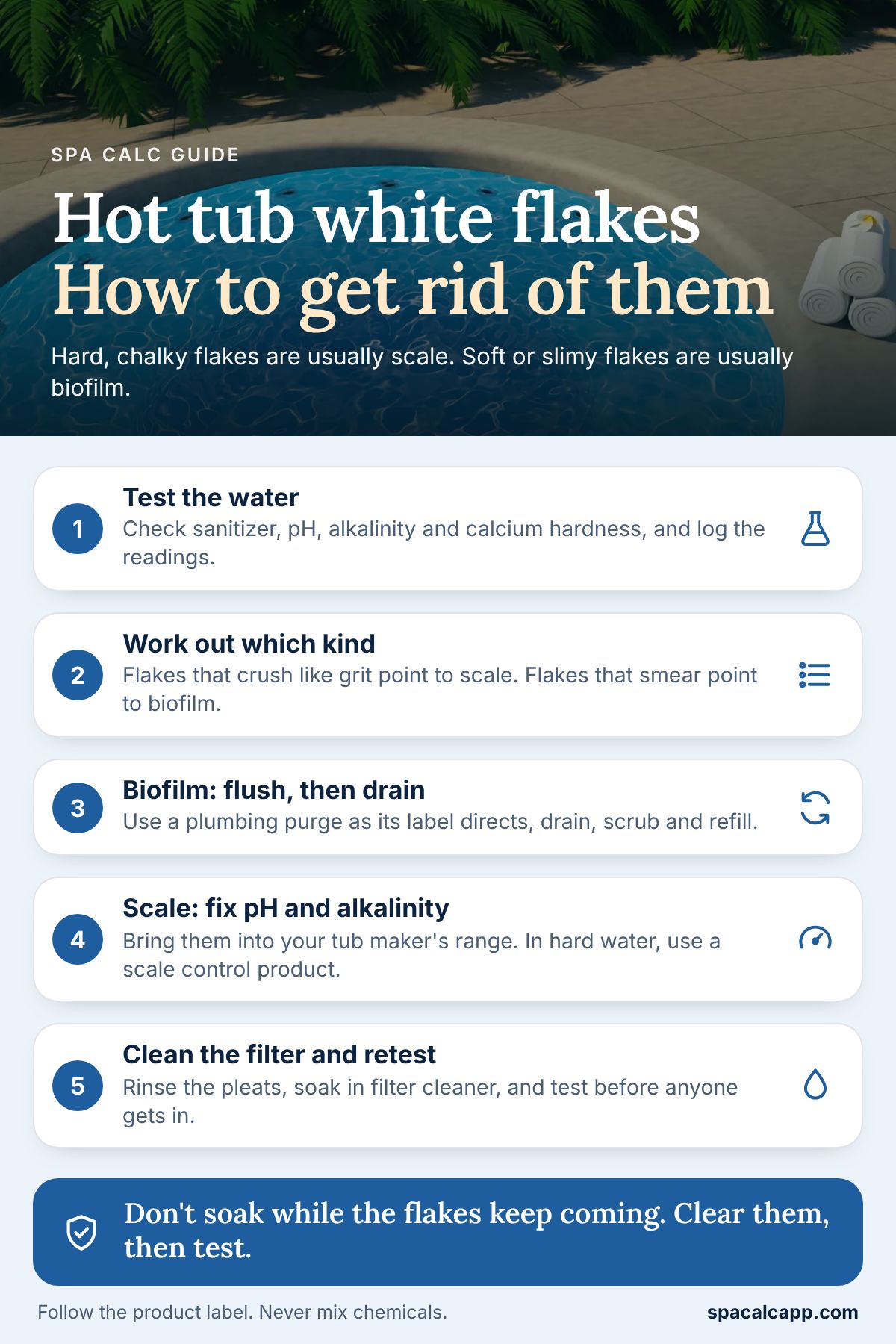
The quick answer: hot tub white flakes are usually one of two things. Hard, chalky flakes are calcium scale, from hard water with pH and alkalinity running high. Soft or slimy flakes are usually biofilm coming loose from inside the pipes, often after a line flush or a new fill. Biofilm needs a flush, drain and refill. Scale needs pH and alkalinity back in range and, in hard water, a scale control product. Spa Calc's soaking limits, based on CDC guidance, start at 3 ppm free chlorine. Follow the product label for anything you add.
Hot tub pH and alkalinity calculator
Add
0.4oz
of Dry acid / pH minus (sodium bisulfate 93%)
11 gabout 2 tsp by volume
Lowers pH from 7.9 to 7.5 in 400 gal at TA 80.
- Side effects: TA −2.9 ppm.
- Run the jets with the lid open and wait at least 15 minutes (20 after pH decreaser) before anyone gets in.
- Never add acid and chlorine together or in the same spot: mixing them releases toxic chlorine gas. Let the first one circulate before adding the other (the wait is shown on each step).
- Pour it slowly in front of a return jet with the pump running.
- Retest after the water has circulated.
Check the product label. Strengths vary by brand, so enter the % printed on yours. Add one chemical at a time, into the water, and never mix chemicals.
Save this test and get a reminder before your next soak.
Want this every time you test?
Spa Calc remembers your hot tub and tells you if it’s ready to soak, and what to add, every time you test.
Spa Calc for iPhone
What the flakes are
Biofilm. CDC describes biofilm as germs and the slime they secrete, stuck to and growing on any surface that stays wet. Master Spas' owner's manual says biofilm sticks to a hot tub's plumbing and shell, and TroubleFreePool's Pool School says flushing the lines removes bacteria and biofilm. When a pipe cleaner loosens it, or water that sat still starts moving again, pieces can come out through the jets. These feel soft or slimy.
Calcium scale. Taylor Technologies describes scale as crusty, grayish-white deposits on surfaces, piping and equipment, and says the water's flow can carry off chunks of loosened scale. Master Spas' manual lists chalky white scale deposits from minerals in the water, and Hot Spring's manual describes scale as rough, calcium-bearing deposits that can coat surfaces, heaters and plumbing lines and clog filters. It gives the cause as high calcium with alkalinity and pH too high. These feel hard or gritty.
Are they dangerous? CDC says Legionella can live and grow in biofilm, and that sediment and scale use up disinfectant and support bacteria. So don't soak while the flakes keep coming. Clear them, then test. Ask your doctor about any health question.
How to get rid of white flakes, step by step
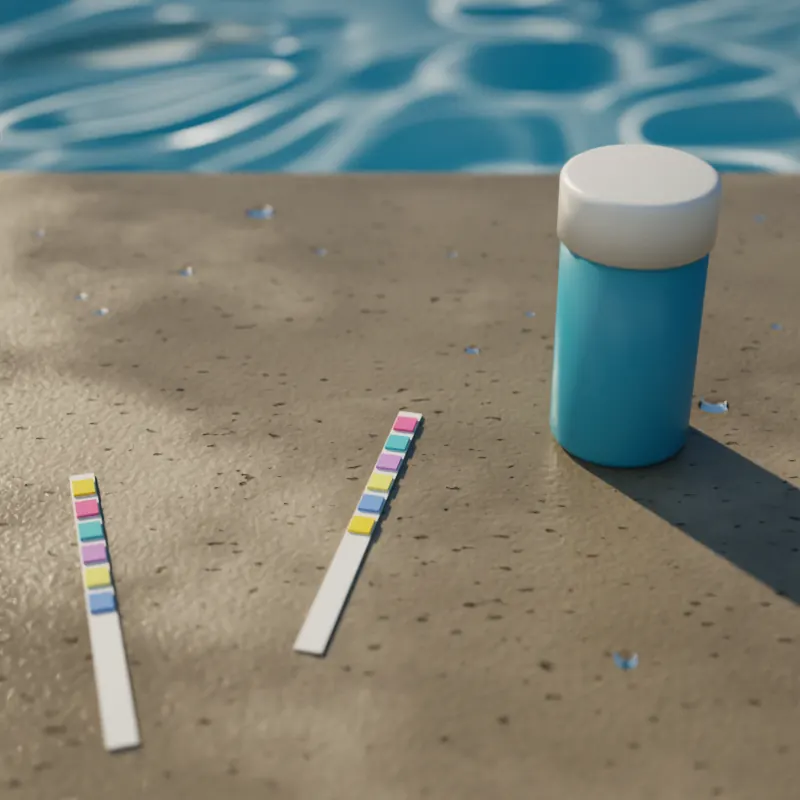
Step 1: Test the water. CDC says to check the disinfectant level (chlorine or bromine) and pH before using a hot tub, and gives chlorine of at least 3 ppm, bromine of 4–8 ppm and pH of 7.0–7.8. Test total alkalinity and calcium hardness too. Log the readings in Spa Calc for iPhone so you can see whether pH and alkalinity keep drifting up.
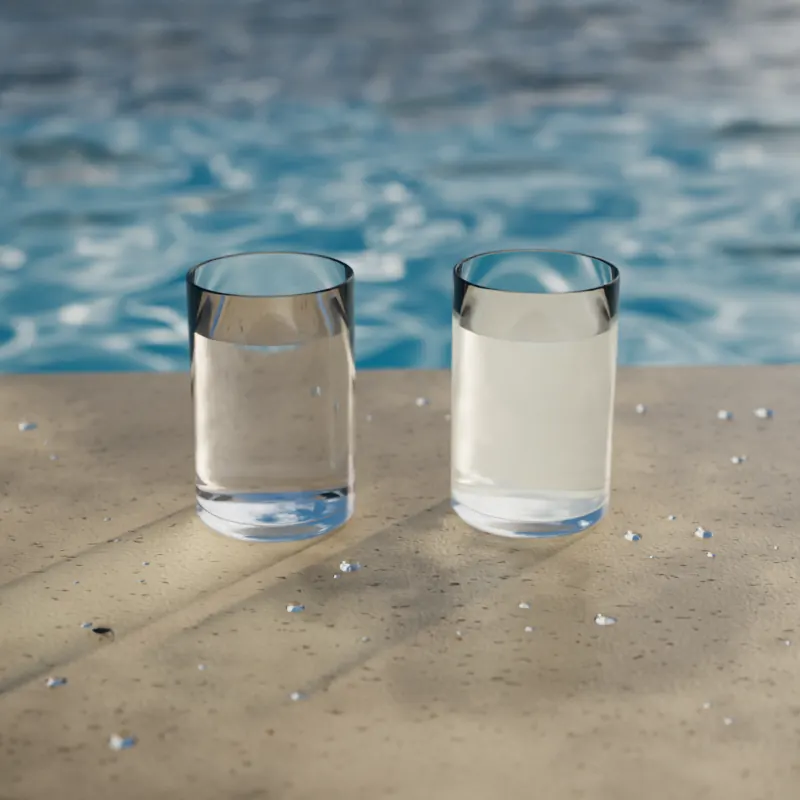
Step 2: Work out which kind you have. Scoop a few flakes out with a cup. Flakes that crush like grit or feel hard point to scale, especially with hard fill water and high pH or alkalinity. Flakes that smear or feel slimy point to biofilm, especially if they turned up after a pipe cleaner, a long idle spell or a refill. If you aren't sure, treat it as biofilm first, since that also gets fresh water into the tub.
Step 3: For biofilm, flush the lines, then drain. Master Spas' manual says products that help remove biofilm should be used periodically before draining, and TroubleFreePool's Pool School says to flush the lines when you drain. Add the plumbing purge product and run the jets as its label directs, then drain. CDC says to scrub all surfaces each time a tub is drained. How to drain a hot tub walks through it, and hot tub start up chemicals covers the new fill. Follow the product label.
Step 4: For scale, bring pH and alkalinity into range. Hot Spring's manual links scale to high calcium with alkalinity and pH too high, and Jacuzzi's manual says high pH causes minerals to deposit on the inside of the tub. Lower them with the pH and alkalinity calculator, as hot tub pH too high and hot tub alkalinity too high explain. Master Spas' manual names not using a sequestering agent as a cause of scale, so in hard water add a scale control product as its label directs. When the tub is drained, Master Spas' manual says scale can be cleaned off with a multi-purpose spa cleaner or white vinegar. Follow the product label.
Step 5: Clean the filter and retest. Flakes collect in the filter. Hot Spring's manual says to clean cartridges monthly to remove debris and mineral buildup, and Jacuzzi's manual says to rinse the pleats with a garden hose and, for a deep clean, soak the cartridge overnight in filter cleaner. CDC says to replace hot tub filters as the manufacturer recommends. Then test again before anyone gets in: Soak when free chlorine is 3 to 5 ppm and at least 7.5% of your CYA (bromine 4 to 6) and pH is 7.2 to 7.8, at least 15 minutes after adding anything (20 after pH decreaser); after chlorine, bromine or a shock, test again first. Above 5 ppm chlorine or 6 ppm bromine, wait and retest in an hour or two; never soak above 10 ppm chlorine or 8 ppm bromine, or with pH below 7.0 or above 7.8. Below 3 ppm chlorine (4 bromine), add sanitizer first; at pH 7.0 to 7.2, raise pH first; with CYA above 40 ppm, drain and refill. Hot tub limits based on CDC guidance and EPA product labels.
What calcium level to keep
Tub makers set different ranges, so follow your own tub's manual:
| Source | Calcium hardness |
|---|---|
| Hot Spring owner's manual (standard) | 75–150 ppm |
| Jacuzzi owner's manual | 150–250 ppm |
| Master Spas owner's manual | 180–250 ppm |
| Taylor Technologies (spas) | 150–250 ppm |
Don't drive calcium too low either: TroubleFreePool's Pool School says to keep spa calcium above 100 ppm, and links low calcium to hot tub foam. For very hard water, Jacuzzi's manual suggests filling half with hard water and half with softened water.
How to prevent white flakes
- Flush the lines before every drain, with a purge product used as its label directs.
- Keep pH and alkalinity in your tub maker's range. High pH is the main push toward scale.
- Use a scale control product in hard water, as its label directs.
- Keep the sanitizer in range every day. CDC's hot tub guidance is to keep disinfectant and pH checked before use.
- Clean the filter monthly and replace it as its maker recommends.
Common mistakes
- Adding more chlorine to "kill" scale. Scale is mineral, not germs. Fix pH and alkalinity instead.
- Refilling without flushing. Biofilm left in the pipes comes straight back out into the new water.
- Skipping the filter. Flakes trapped in the cartridge keep shedding back into the water.
- Soaking before testing. Clear the water, then check sanitizer and pH.
- Losing track of the drain date. Spa Calc counts down to your next drain, so the line flush happens on time.
Track it in Spa Calc
Spa Calc keeps your sanitizer, pH and alkalinity readings in one log, works out each dose for your tub's volume, and reminds you when the next drain is due. Get Spa Calc for iPhone and log your next test.
Sources
- CDC: Control Legionella glossary: biofilm is germs and the slime they secrete on continually moist surfaces; sediment and scale use up disinfectant and support bacteria.
- CDC: Controlling Legionella in Hot Tubs: sediment and biofilm affect Legionella growth; scrub all surfaces each time the tub is drained; clean and service filters as the maker recommends.
- CDC: Public Health Strategies for Legionella Control: Legionella can live and grow in biofilm.
- CDC: What You Can Do to Stay Healthy in Hot Tubs: check disinfectant and pH before use; chlorine, bromine and pH levels.
- CDC: About Protecting Yourself from Legionella in Hot Tubs: replace the hot tub filter as the manufacturer recommends.
- TroubleFreePool Pool School: Spa & Hot Tub Maintenance, A Basic Guide: flush the lines to remove bacteria and biofilm; keep calcium above 100 ppm.
- Master Spas: Owner's Manual: biofilm on plumbing and shell; use biofilm products before draining; chalky white scale deposits and sequestering agents; cleaning scale with spa cleaner or white vinegar; calcium range.
- Hot Spring: HIGHLIFE Collection Owner's Manual: scale described, with high calcium, alkalinity and pH as the cause; clean filters monthly; calcium range.
- Jacuzzi: J-LX Collection Owner's Manual: high pH causes scaling; filter rinsing and overnight soak; calcium range; mixing hard and softened fill water.
- Taylor Technologies: Understanding and Managing Calcium Hardness in Pool & Spa Water: crusty, grayish-white scale; flow can carry off loosened scale; spa calcium range.
- Every number Spa Calc computes on this page comes from the same chemistry engine as the app.
Safety
- Keep chemicals out of reach of children and pets, and keep them out of the water until it is back in range.
- Never mix chemicals. Never add acid and chlorine together: mixing them releases toxic chlorine gas.
- Add chemicals to water, never water to chemicals.
- Store chemicals sealed, cool and dry, apart from each other.
- Read and follow the product label. It always comes first.